
Biodiversity isn’t only wildlife and forests. It’s also lives in Africa’s cattle, goats, sheep and chickens, which have adapted over generations to heat, drought and disease. The Kunming-Montreal Global Biodiversity Framework already commits countries to protecting the genetic diversity of domesticated species. COP17 doesn’t need a new agenda for livestock. It needs to put the commitments that exist into practice.
At the UN Biodiversity Conference (CBD COP17) in Yerevan, the International Livestock Research Institute (ILRI) and Centre for Tropical Livestock Genetics and Health (CTLGH) will make the case for Africa’s local livestock as living biodiversity.
Africa’s biological insurance. A trait that looks unimportant today may be what a herd needs in a hotter, drier future. Yet the risk status of almost half the world’s local breeds is still unknown.
A huge conservation gap. Enough genetic material is stored for only about 1% of African local breeds. If we don’t know a breed’s risk status, that doesn’t mean it’s safe. It means nobody has checked.
Custodians, not beneficiaries. Pastoralists and livestock keepers maintain this diversity, and they produce 75% of Africa’s milk. Protecting a breed means protecting the landscape and the people that sustain it.
Science led by Africa. Benefit-sharing should build African capability, so that Africa leads the science on its own livestock instead of only supplying samples. ILRI’s Genomic Reference Resource for African Cattle offers a starting point for how a country-led model could work.
One landscape, three conventions: well-managed rangelands restore land, conserve biodiversity and store carbon.
Advancing the Sustainable Agriculture and Conservation Agenda
Our presence at the conference focuses on a critical aspect of global ecosystems – the profound importance of local and indigenous livestock as an integral part of global biodiversity. Please join us:
- 19 – 21 October: From Cells to Herds – Biodiversity Technology and Innovation Expo
- 23 October, 16:00: Closing the Evidence – Policy Gap – CGIAR Food & Agriculture Pavilion
- 26 October, 11:00: From Cells to Landscapes – CGIAR Food & Agriculture Pavilion
- 29 October, 16:00: Livestock in Living Landscapes – CGIAR Food & Agriculture Pavilion
- 30 October, 13:15: The Missing Multiplier (official side event) – Komitas, Business and Industry Organisations Group Room
Our Delegation
We look forward to collaborating with our global partners in Yerevan.
Christian Keambou Tiambo 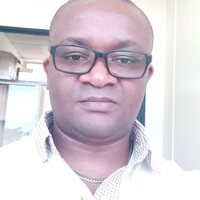
Scientist – CTLGH/Livestock Genetics:
Reproductive Technologies & Precision breeding,
Biobanking management, and ABS- Nagoya Protocol
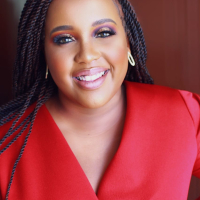 Sally Katee
Research Officer: Research Compliance, Policy and Engagement
(ILRI, Kenya)
The animals that survive what others can’t
Watch this YouTube video by International Livestock Research Institute (ILRI) scientist Christian Tiambo on livestock biobanking, indigenous breeds and genetic resources in Africa.
Follow daily coverage from Yerevan on our ILRI and CTLGH social media channels.