
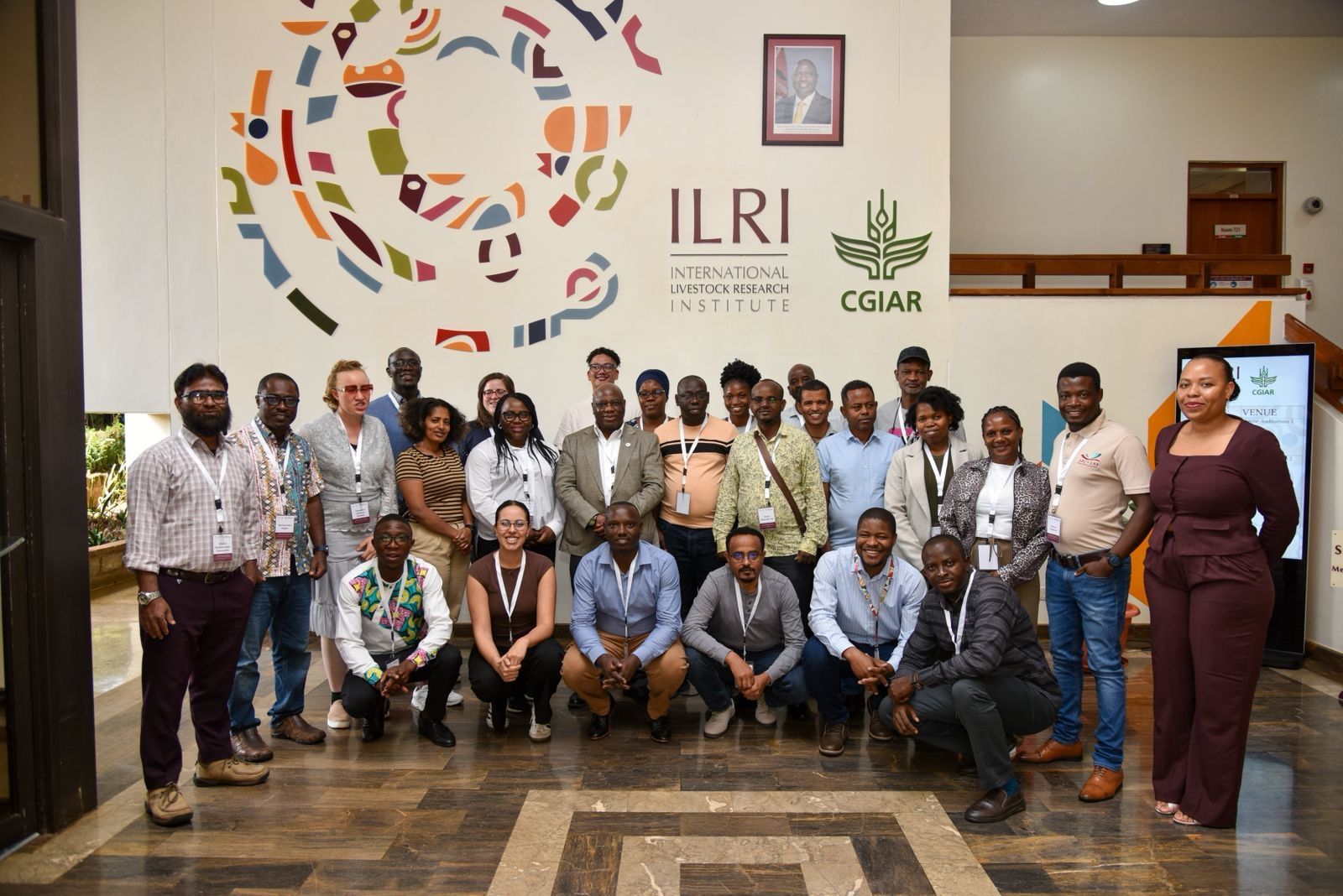
The Genetic and Genomic Approaches for Livestock Improvement training programme group
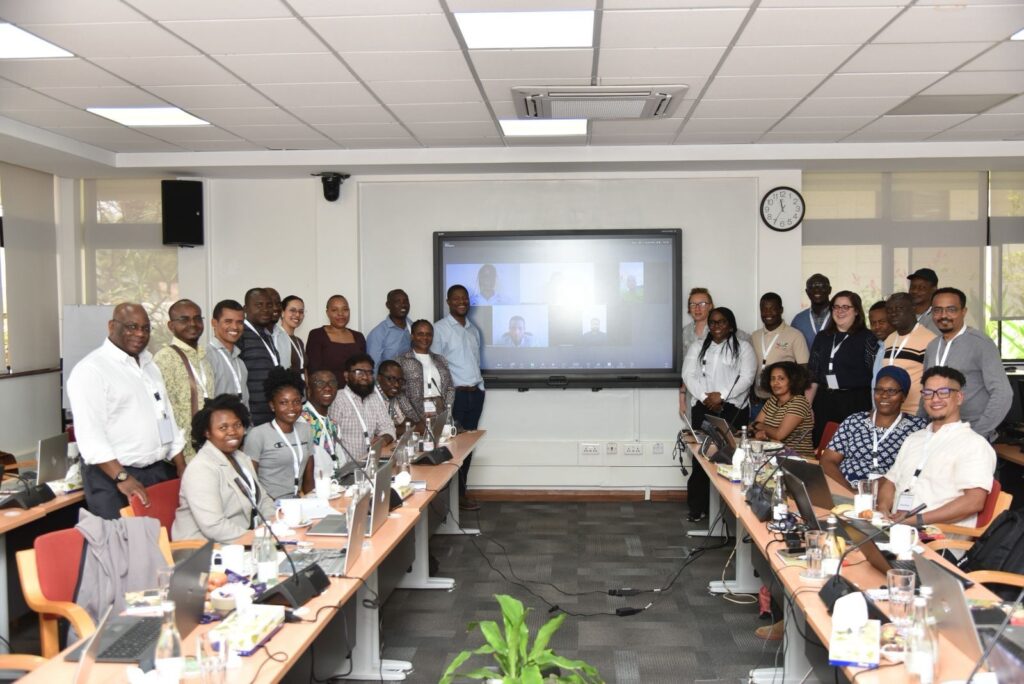
The programme cohort brought together 40 high-achieving early-career scientists and PhD students from 12 countries across Africa and Asia. Through a hybrid format combining in-person workshops at the ILRI Nairobi campus and online participation, the training addressed the critical need for sustainable livestock productivity in the Global South.
Led by world-renowned experts from ILRI and CTLGH, the Genetic and Genomic Approaches for Livestock Improvement annual training aims to empower animal scientists to integrate advanced genome-based approaches into local breeding initiatives.
Focus Areas
The key areas of focus of the training programme included:
- Theoretical and Practical Analysis: Immersing participants in the theory and practice of phenotypic, genetic, and genomic data analyses.
- Genomic Tools: Training in the use of molecular genetic tools to drive sustainable livestock improvement in the Global South.
- Breeding Design: Strengthening capacity in quantitative genetics and designing quantitative genetics and designing breeding programmes specifically for low-input production systems.
- Sustainable Development: Addressing global food security and climate resilience by improving the productivity and health of tropical livestock.
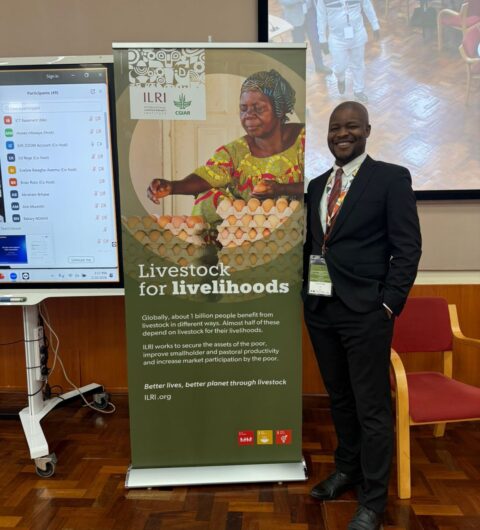
Dr Isidore Houaga
“I was pleased to participate as a trainer at the 2026 CTLGH capacity-building training workshop on Genetics and Genomics Approaches for Tropical Livestock Improvement.
“The workshop offered a valuable opportunity to advance knowledge and skills in genomics tools for tropical livestock breeding. The diverse participation, both in-person and online, highlighted the increasing global interest in leveraging genomics for sustainable livestock improvement.”
Dr Isidore Houaga, Research Scientist in Animal Quantitative Genomics, Centre for Tropical Livestock Genetics and Health at the Roslin Institute
Positive Feedback
Feedback from attendees of the training course highlighted the programme’s high academic standards, practical utility, and collaborative atmosphere.
Early-career scientists and PhD students described the week as transformative for their “knowledge and skill development”. They specifically valued learning how to integrate genomic tools into local breeding programmes to improve livestock health and productivity.
Many highlighted the “camaraderie” and “intellectual exchange” between colleagues from across Africa and beyond, and individual reflections from visiting scientists mentioned the “inspiring atmosphere” and the “personalised mentorship” provided by senior researchers, which encouraged a standard of excellence.
“This week has been transformative for my research,” shared one participant on social media. “The mentorship from experts like Professor Raphael Mrode has provided us with the rigour needed to tackle food security challenges through advanced genetics.”
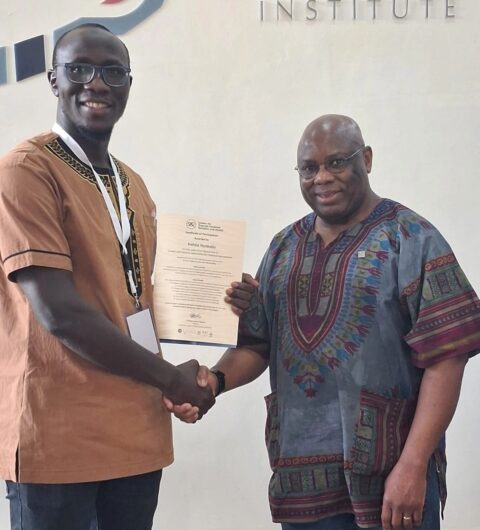
Professor Mizeck Chagunda, CTLGH Director with Kebba Nyabally 'Best Student'
Notable Achievements
Recognition was given to the “Best Student” of the cohort, Kebba Nyabally, who commented that the award reflected the “collective strength and support” of all participants.
“I would like to sincerely thank the Director of CTLGH, Professor Mizeck Chagunda and his entire team for this remarkable opportunity. Your commitment to building capacity across Africa is not just institutional, it is personal and transformative.
“As you often remind us, ‘we are not paying back but rather paying forward’. Through this training, you are indeed shaping the next generation of animal geneticists and breeders who will carry this responsibility forward across the continent.
“This achievement would not have been possible without your visionary leadership, strategic foresight, and unwavering belief in African-led scientific excellence.”
Kebba Nyabally
Capacity Building
To support the Genetic and Genomic Approaches for Livestock Improvement training, and ensure its durability, CTLGH provided each participating institution with key academic texts to uphold ongoing local capacity building.
Capacity Building and Knowledge Exchange is one of our Research Pillars. Find out more
The training week coincided with the official launch of the open-access book, African Livestock Genetic Resources and Sustainable Breeding Strategies, on 20th February, with workshop participants given the opportunity to attend the event, which added further context to their training. Read more about the Book Launch