
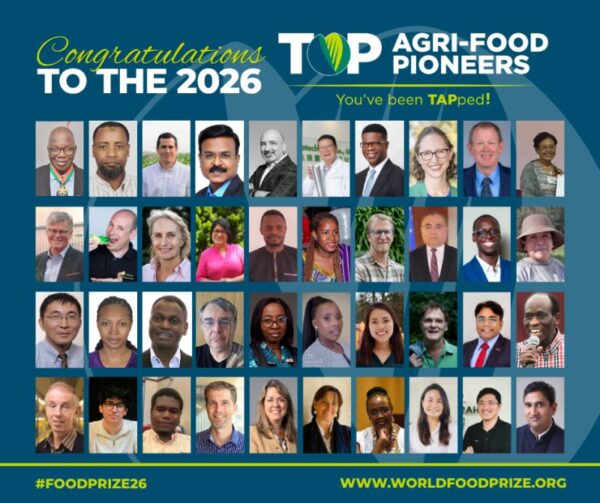
In honour of the World Food Prize Foundation’s
40th anniversary, recognition has been awarded to
40 innovators, representing 30 countries across six continents and ranging in age from 16 to 81 years.
This 2026 cohort showcases the breadth of talent driving innovation in food and agriculture.
These pioneers are advancing solutions across the agri-food sector, demonstrating that leadership and impact can emerge from any corner of the world and at any stage of life.
Congratulations to all those named as ‘Top Agri-food Pioneers 2026’, which includes International Livestock Research Institute (ILRI) colleagues, and we are very proud to see this recognition awarded to Raphael Mrode, a CTLGH Principal Scientist (Dairy Genomics Programme), based at the International Livestock Research Institute (ILRI) in Nairobi.
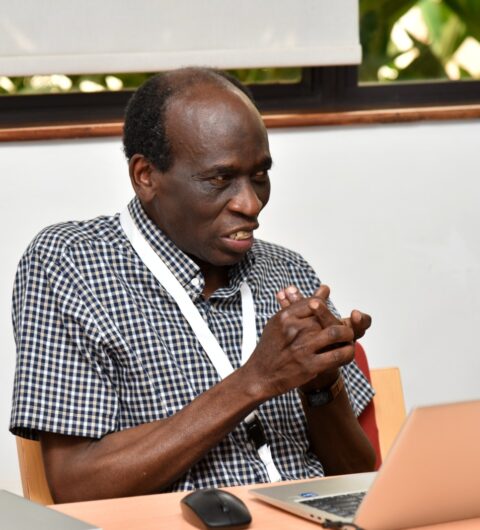
Recognition for Raphael Mrode, CTLGH Principal Scientist
Raphael Mrode harnesses the power of data and genetics to identify and breed economically important traits into dairy cows, leading to healthier cattle with higher milk production. This allows farmers to breed smaller cows that require less feed and grazing land while producing more milk.
He divides his attention between solving food shortages for poor farmers in low-input environments across Africa and improving the efficiency of the UK’s livestock sector.
Raphael was instrumental in forming the African Dairy Genetic Gains programme in Kenya, which gathers local cattle data to inform selective breeding for improved productivity. Farmers in the programme have reported milk yield gains of up to 67%.
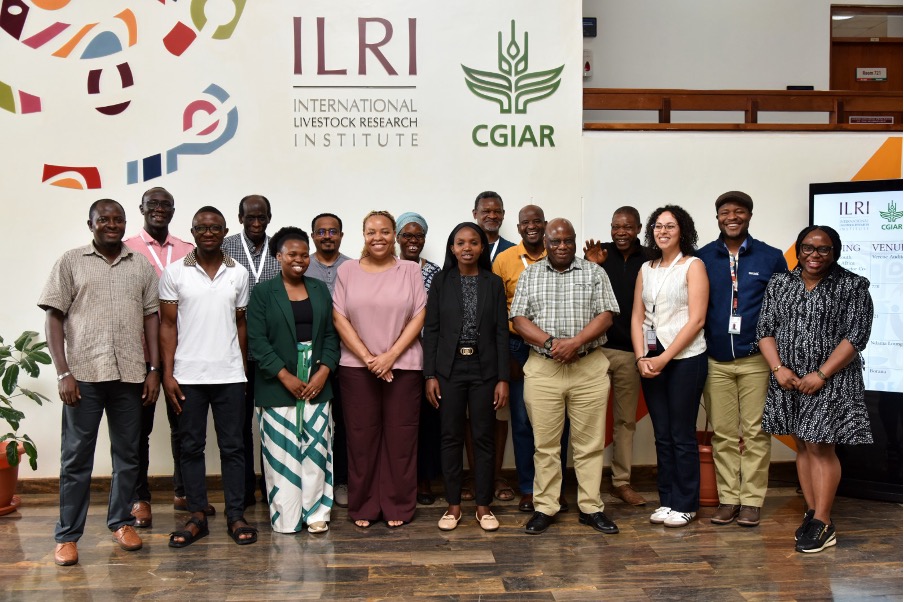
Raphael is pictured in the back row, 2nd from left at the Genetic and Genomic Approaches for Livestock Improvement training course held earlier this year.
Passionate about building capacity, Raphael has lectured in postgraduate quantitative genetics since 2005 and conducts international training courses in genetics and genomics to empower the next generation of livestock scientists.
This recognition by the World Food Prize Foundation is well deserved and reflects the global impact of Raphael’s work in livestock genetics and food security.