
Hosted by the School of Agriculture, Policy and Development, the conference from 24th to 25th March 2026 aimed to create a space for researchers and practitioners to address challenges facing African livestock systems. It highlighted the role of livestock in African livelihoods, cultural heritage and food security, exploring themes such as rangeland health, pastoralism, and the 2026 International Year of Rangelands and Pastoralists (IYRP).
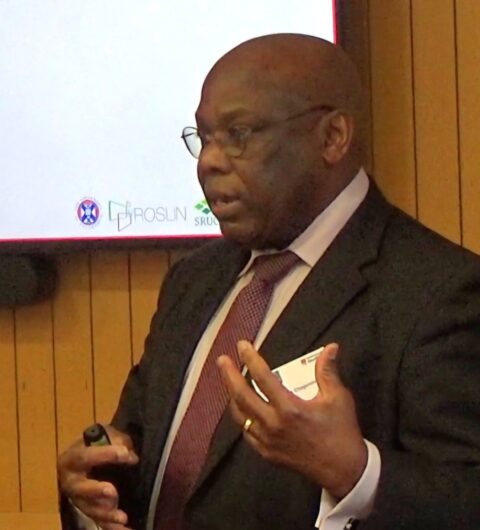
Professor Mizeck Chagunda, Director of the Centre for Tropical Livestock Genetics and Health (CTLGH), provided a keynote address on building resilient livestock systems, highlighting the Centre’s work in advanced genetics, genomics, and data science to improve tropical livestock productivity and adaptability.
For the millions of people in African countries who are reliant on their herds and flocks of livestock for their household sustenance, their identities and their cultural vibrance, the coming decades will be riven with uncertainties and crises, but also with opportunities to be grasped.
The conference featured discussions on developing resilient livestock production systems by integrating local knowledge with 21st-century technological solutions, exploring the emerging possibilities of cultivated meat, and tackling systemic threats including soaring temperatures, zoonotic diseases, and the political focus on ruminant methane emissions.
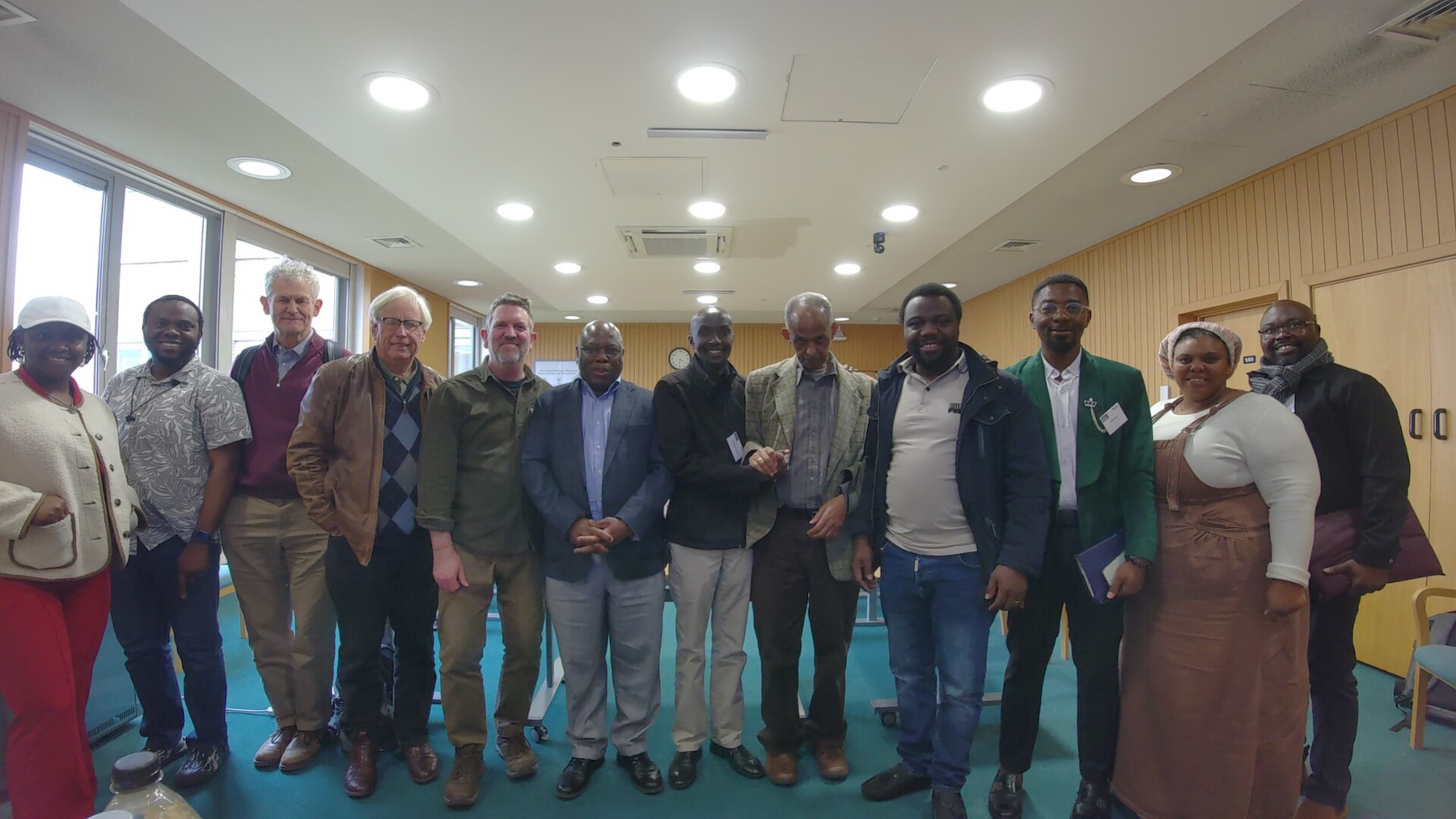
The launch was a vibrant gathering of researchers, practitioners, and advocates, all united by a shared commitment to the future of livestock in Africa. It provided a forum for addressing the complex, compounding crises facing African livestock keepers, including climate change, biodiversity loss, and market-driven changes.
Many thanks to Dr. Andrew Ainslie at the University of Reading’s School of Agriculture, Policy and Development for the tremendous effort in coordinating the ALO, which seeks to amplify African voices in global livestock debates, develop a working paper series on livestock development, and facilitate a visiting fellows programme.