
A vital platform for African infrastructure
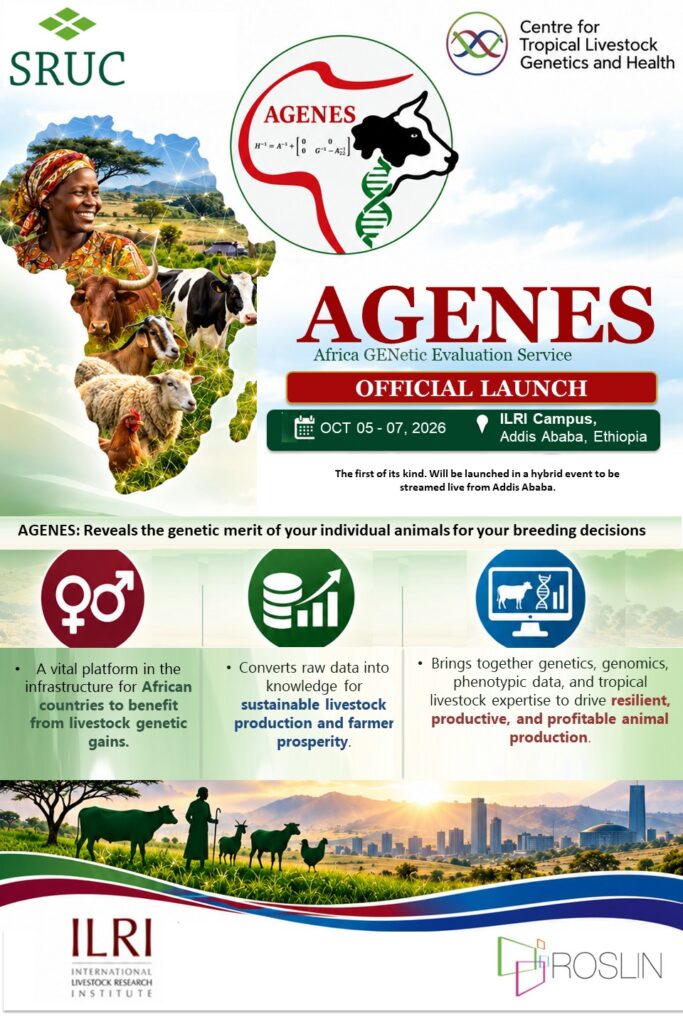
AGENES is a multi-species genetic evaluation pipeline, developed by the SRUC (Scotland’s Rural College) through Centre for Tropical Livestock Genetics and Health (CTLGH), in a strategic partnership with the Roslin Institute and International Livestock Research Institute (ILRI).
The platform converts raw data to reveal the true breeding values of individual animals, which will enable selection of parent stock that is appropriate for their production environment.
Africa is home to around 25% of the world’s cattle, yet produces only around 6% of global milk. The continent also imports a significant proportion of its dairy products and relies heavily on imported breeding genetics.
To help address these challenges, the Africa GENetic Evaluation Service (AGENES) was developed, following on from SRUC’s established EGENES platform as a benchmark.
Better breeding for livestock gains
Genetic improvement is fundamental to sustainable livestock development because genetic gains are permanent and cumulative. In Africa, this provides an important long-term strategy for addressing the impacts of climate change by selecting and breeding livestock for resilience, adaptation and sustained productivity under changing environmental conditions.
Realising this potential requires strong systems for genetic evaluation across countries, enabling the identification and dissemination of genetically superior animals across populations and production environments.
The AGENES platform aims to promote the use of top-tier sires and dams for breeding in different African countries, primarily targeting smallholder farming systems. A key component will be strengthening data collection and analysis to support evidence-based breeding decisions.
Sharing science and experiences
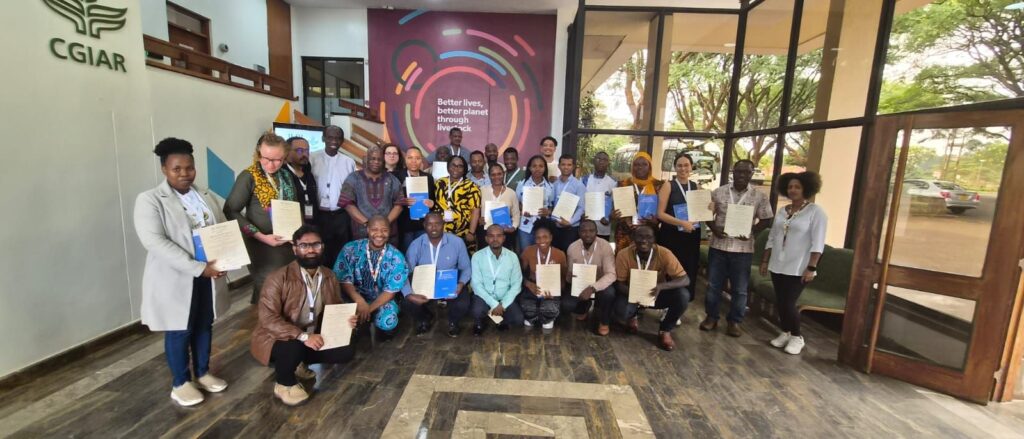
As a foundation for the formal launch of AGENES, pre-launch activities began on 5th October with the workshop theme ‘Why and what would make any livestock genetic evaluation systems work?’
Key Highlights of the Pre-Launch Workshop
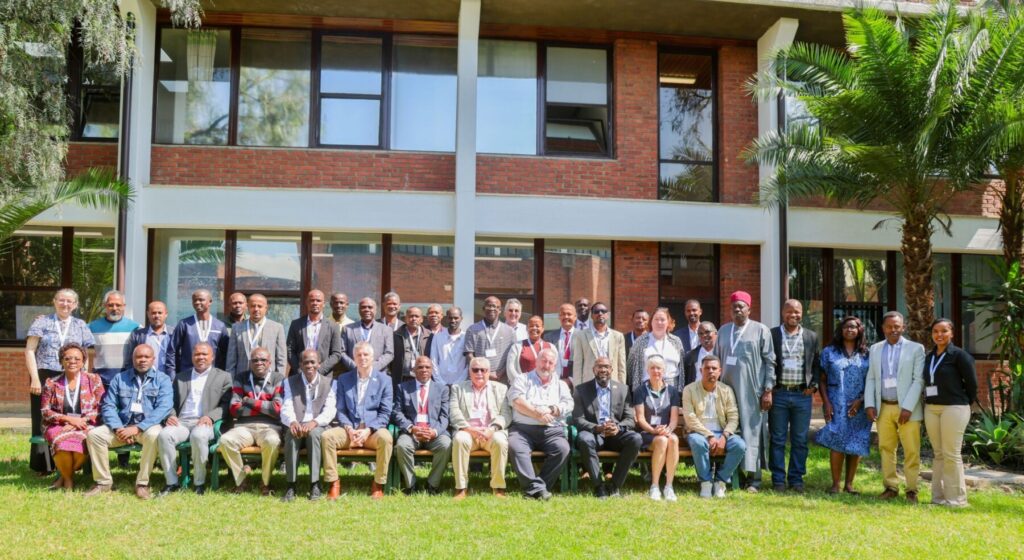
International Collaboration: The workshop brought together prominent scientists, researchers, and participants from nine countries, including Ethiopia, Kenya, Tanzania, Botswana, Zimbabwe, Malawi, Uganda, Nigeria, and the UK. They gathered to share experiences and build multi-country synergy around livestock data collection.
Focus on Smallholder Systems: Discussion during the event centred around the structural bottlenecks of animal breeding in Africa. Participants emphasised that sustained genetic improvement relies fundamentally on continuous data collection and robust local institutions capable of utilising the results.
Strategic Context: Genetic evaluation acts as a long-term defense against climate change. By identifying individual animals with high climate resilience and superior productivity under shifting environmental conditions, African nations can significantly improve food security.
A great step forward for genetic evaluation
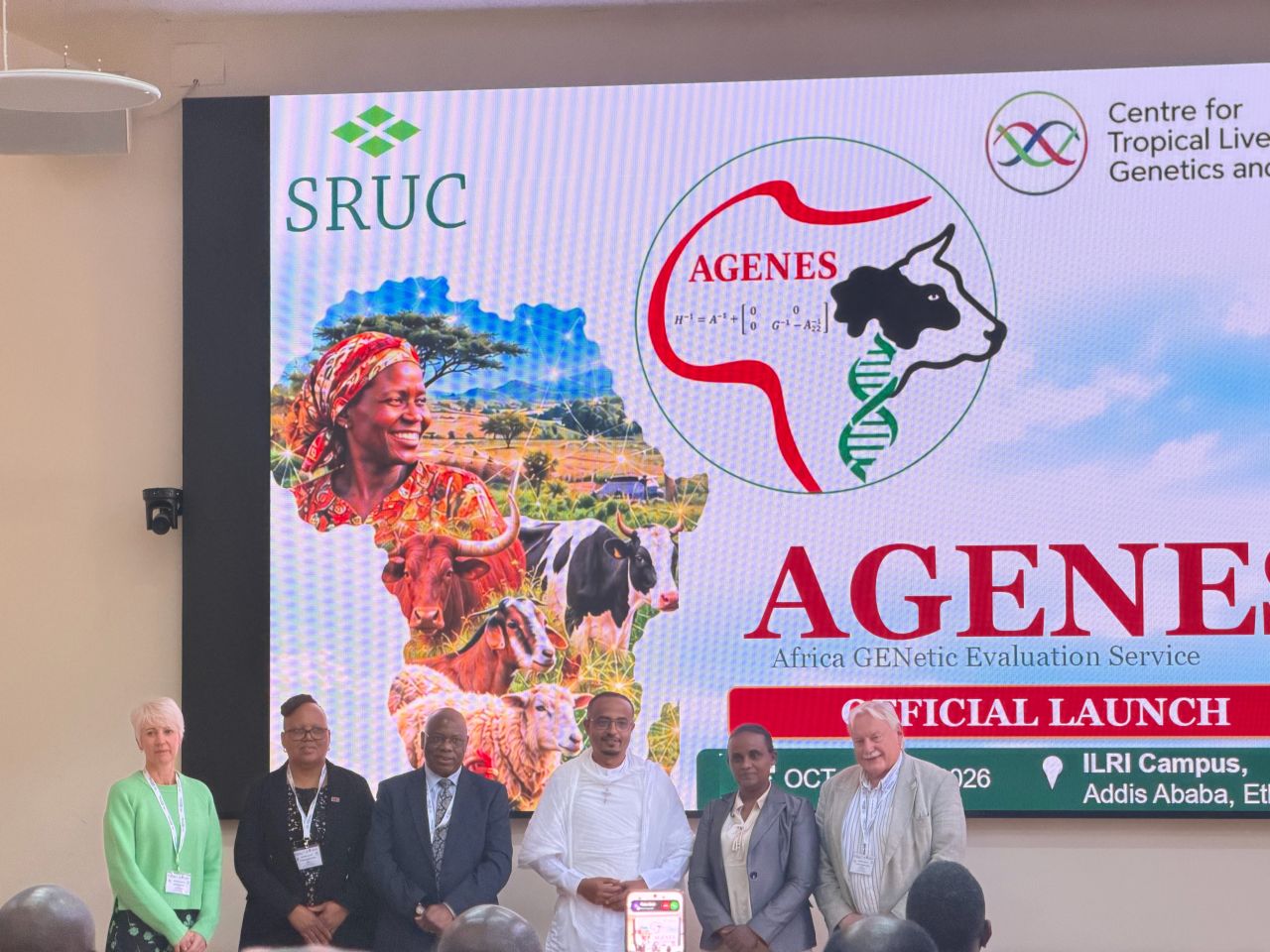
The launch of AGENES represents an important step towards building strong, more connected national and regional livestock breeding systems, enabling African countries to make better use of their genetic resources while improving livestock productivity, resilience and adaptation to climate change.
“Looking back to the week just ended brings the feeling of gratitude. The feeling that, when we all work together, towards one goal, we can deliver useful tools and technologies for use in livestock production. Tools that can improve productivity for smallholder farmers.
“At CTLGH, we are very grateful that we can tap into the decades of experience, the depth of skill, and the dexterity of the scientists from SRUC, ILRI and the Roslin Institute.
“Thank you for the leadership of Professor Wayne Powell, Professor Appolinaire Djikeng, and Professor John Hammond. Also to Mike Coffey for all the hard work behind the scenes. Thanks also to Teams CTLGH and ILRI, Comms and Admin Team.”
Professor Mizeck Chagunda, Director, Centre for Tropical Livestock Genetics and Health (CTLGH), and Chair of Tropical Livestock Genetics, University of Edinburgh
Watch the AGENES video screened at the launch
View this post on Instagram