
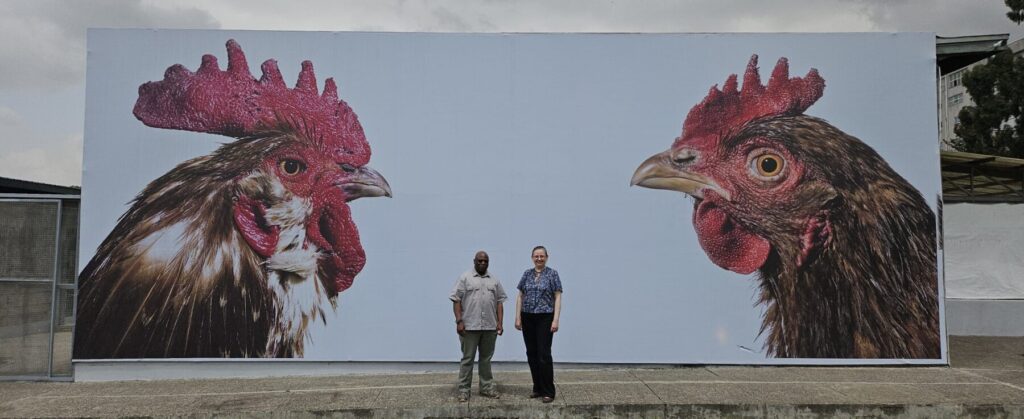
The 34-hectare ILRI campus in Ethiopia is a specialised research and regional collaborative hub that focuses on advancing sustainable agricultural development, livestock health, and food security in Africa. The campus drives significant advancements in the country’s dairy and poultry sectors by transforming laboratory science into field-ready solutions for smallholder farmers.
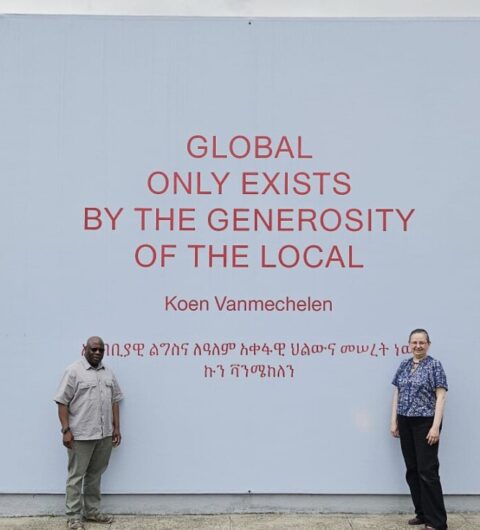
The opportunity to tour the ‘Incubated Worlds’ poultry facility and bioscience laboratories on the Addis Ababa campus was a fantastic learning experience for Dr Andras, having taken up the role of CTLGH Operations Manager earlier this year, and showcased the research and practical innovation ‘on farm’ that the campus provides for the dairy and poultry sector, and improvement overall in livestock production.
The dedicated poultry research and education facility focuses on genetics and breeding and directly feeds into CTLGH’s Poultry Genomics programme. CTLGH scientists utilise this facility to establish long-term cryopreservation and genetic sequencing tools to maintain African poultry biodiversity. Whilst the bioscience laboratories accommodate labs dedicated to animal health, nutrition, microbiology, and parasitology.
Social Aspects
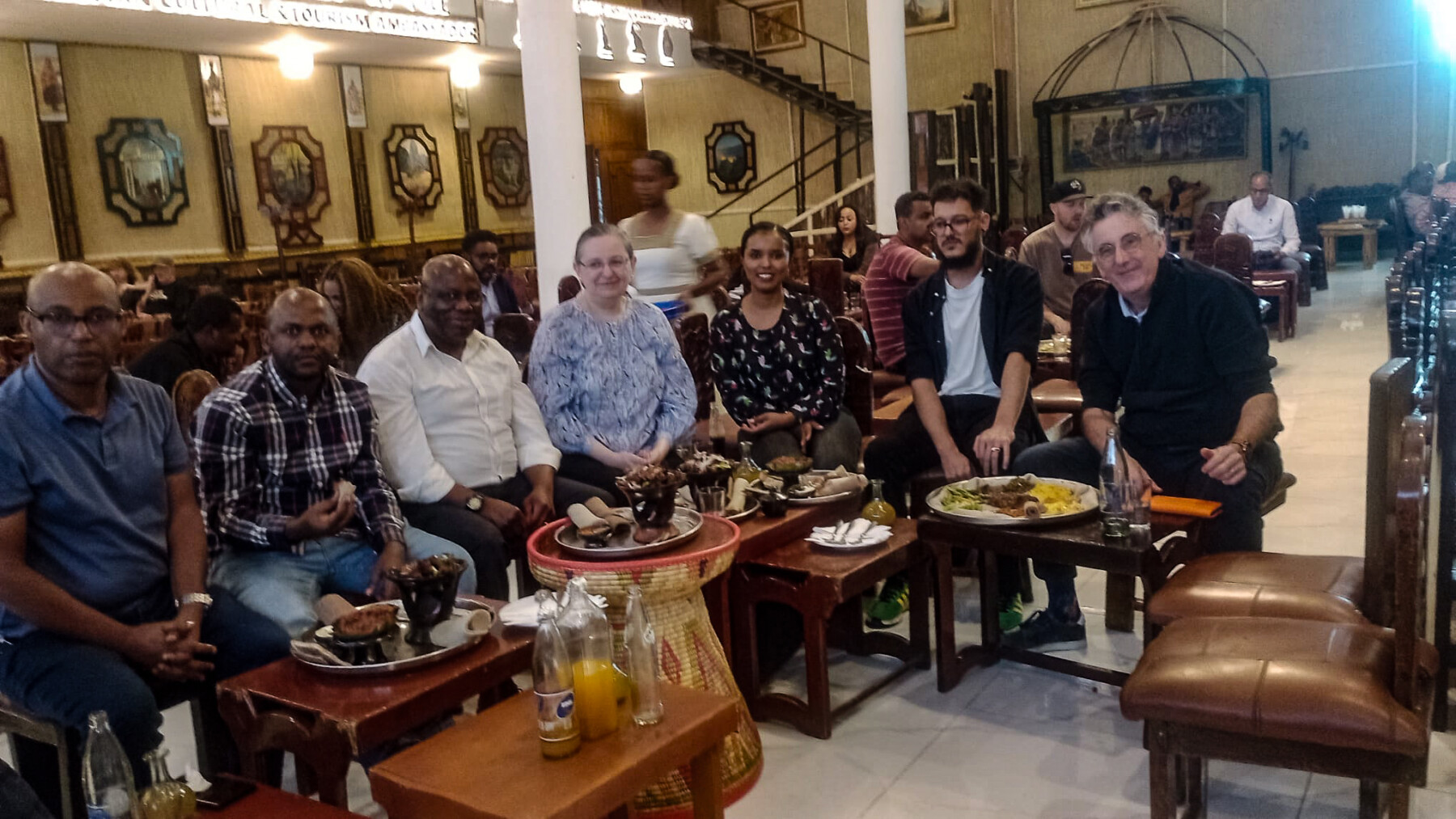
As well as lunches with colleagues at the Zebu Club on campus – a private hub for staff, diplomats, and international organisation workers – Mizeck and Alina also enjoyed the social aspects of a dinner off campus with traditional entertainment, and a cultural bread and coffee ceremony hosted during a ministerial visit.
Bread and Coffee Ceremony
It was a high honour to be invited to participate in an Ethiopian bread and coffee ceremony, which signifies hospitality, respect, friendship, and community bonding. It is a profound cultural ritual, where preparing and sharing food and drink is used to welcome guests, resolve conflicts, and show honour to those present.
Such a ceremony is rich in symbolism and unfolds through several specific stages, from the roasting of raw coffee beans over an open charcoal fire to brewing in a traditional clay pot (a jebena), before being poured into small cups – this is done continuously in a single stream from a height without breaking to symbolise unity, and is served in three distinct rounds, each with its own cultural meaning.
The bread (Himbasha) is a traditional and slightly sweet bread, that is broken and shared alongside the coffee. Offering and eating this bread represents the sharing of life, peace, and mutual respect.
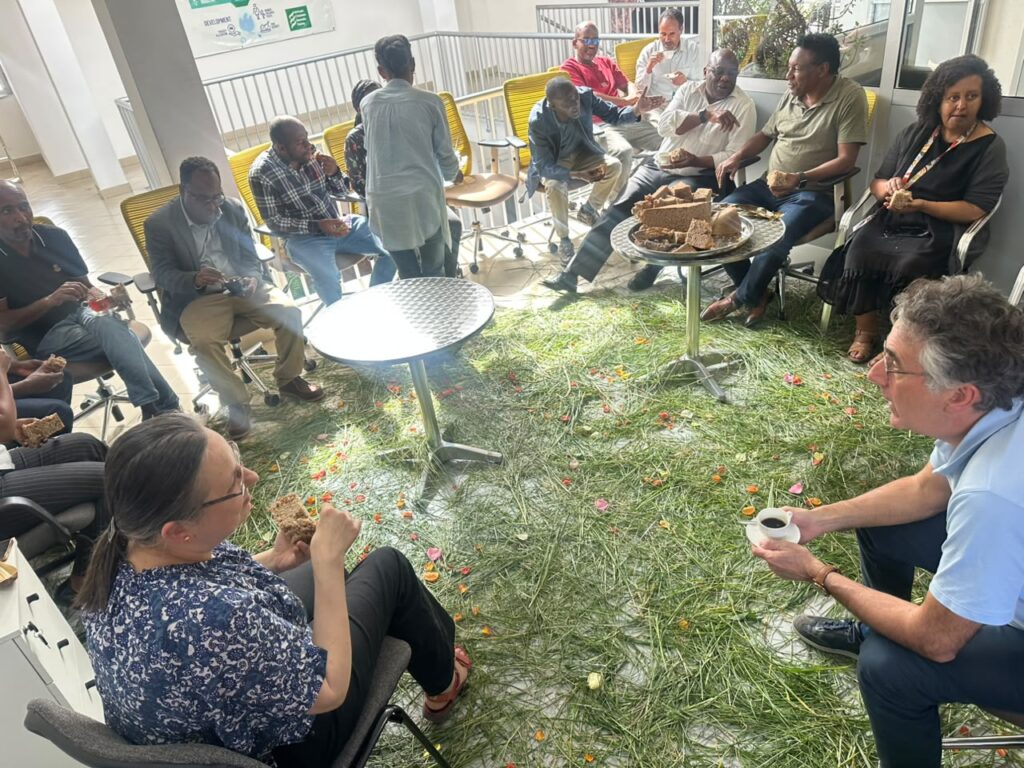
As part of the tradition, the space in which the ceremony was hosted was transformed with fresh-cut scented grass and brightly coloured flowers spread across the floor. Stepping onto the fresh grass signals to guests that they are entering a sacred, welcoming, and pure space, and represents deep cultural and spiritual symbolism, extending a wish for abundance within the home, a connection to nature and hospitality.
“Throughout my visit, everyone was most welcoming and this was a memorable and valuable visit for me, to meet with colleagues and tour the state-of-the-art facilities. In addition to learning more about the research and work being undertaken at the Addis Abada campus, I had the opportunity to experience a new culture.
I would like to extend my thank all those I met, particularly to Oliver and Kassech, for their time and friendliness, sharing interesting stories about their work and culture and what this meant for the community and the livelihood of farmers in the region.
Dr Alina Andras, Centre Operations Manager
Oliver Hanotte is Principal scientist and Deputy director at CTLGH, based at the ILRI campus, Ethiopia, with over 25 years of experience in studying tropical livestock genetics, genomics and adaptation. The central theme of Oliver’s research is the understanding of the genetic control of productive and adaptative traits in livestock, and he has authored more than 200 scientific papers on various species including cattle, chicken, sheep, goats, pigs, and old-world camelids.
Kassech Yeshitila is an Administrative Associate in ILRI’s Livestock Genetics programme based in Addis Ababa, where Kassech provides support for activities implemented by the Tropical Poultry Genetic Solutions (TPGS), the Centre for Tropical Livestock Genetics and Health (CTLGH), and the CGIAR initiative on Sustainable Animal Productivity for Livelihoods, Nutrition and Gender Inclusion (SAPLING).
Partnership
The Centre for Tropical Livestock Genetics and Health (CTLGH) operates in a strategic partnership between the International Livestock Research Institute (ILRI), the University of Edinburgh’s Roslin Institute, and Scotland’s Rural College (SRUC).
Working with CTLGH nodes in Nairobi, Kenya, and Addis Ababa, Ethiopia, we can translate laboratory diagnostics into real-world farming solutions.